
Common causes and care tips for a Dull Coat in Dogs
A dog's coat can tell you a great deal about its grooming routine and overall well-being. When fur begins to look dull, dry, flaky, or brittle, many pet owners wonder whether their dog needs a different shampoo, a change in diet, or additional nutritional support.
The answer depends on the underlying cause. While some coat changes are related to routine grooming, others may indicate a nutritional concern or an underlying health condition.
1. Nutritional Imbalances
Healthy skin and fur depend on an appropriate, balanced diet that provides protein, essential fatty acids, vitamins, and minerals.
Dogs eating an unbalanced diet or a diet that does not meet their individual nutritional needs may develop changes in coat quality. However, a dull coat alone cannot establish that a dog has a nutritional deficiency.
Choose a complete and balanced dog food appropriate for your dog's life stage, and consult your veterinarian before making major dietary changes.
2. Not Enough Essential Fatty Acids
Essential fatty acids contribute to normal skin function and help maintain the skin's protective barrier. Certain fatty acids, including omega-3 and omega-6 fatty acids, play important roles in skin health.
When considering additional nutritional support, it is important to understand what your dog's current food already provides. More is not always better, and supplements can add calories or interact with other health considerations.
Ask your veterinarian whether an omega supplement may be appropriate for your dog.
3. Bathing and Grooming Habits
The wrong shampoo, incomplete rinsing, or bathing too frequently for an individual dog's skin and coat can contribute to dryness or irritation.
Use a shampoo formulated specifically for dogs and choose a product suitable for your pet's needs. Rinse thoroughly, brush as appropriate for the coat type, and dry your dog carefully.
Dogs with recurring skin concerns may need a veterinarian-recommended bathing routine rather than a standard grooming schedule.
4. Allergies and Skin Conditions
A dull coat may occur alongside itching, redness, dandruff, greasy fur, unpleasant odors, or hair loss.
Possible causes include allergies, parasites, infections, and other dermatological conditions. These problems may require veterinary diagnosis and targeted treatment.
If your dog is scratching excessively, developing bald patches, or experiencing recurring skin irritation, do not assume a cosmetic product alone will solve the problem.
5. Age and Underlying Health Changes
Coat texture can change as dogs mature. Older dogs may groom themselves differently, and some develop health conditions that affect their skin, coat, or general appearance.
A sudden or persistent change in coat quality deserves attention, especially when accompanied by weight changes, low energy, changes in appetite, or unusual thirst.
How to Help Improve Your Dog's Coat
Start with a few practical steps:
Feed a complete and balanced diet suitable for your dog's life stage.
Establish a grooming routine appropriate for the breed and coat type.
Use dog-specific shampoos and rinse thoroughly.
Keep fresh water available.
Discuss persistent skin or coat changes with your veterinarian.
Ask whether an omega supplement or another nutritional product is appropriate.
Avoid adding multiple supplements at once without professional guidance. Doing so can make it harder to identify what is helping or causing an unwanted reaction.
Can Omega Oils Support Healthy Skin and Fur?
Omega fatty acids are important components of normal skin function, and appropriately selected fatty acid supplements may benefit some dogs. Results depend on the ingredients, dose, underlying problem, and the dog's overall diet.
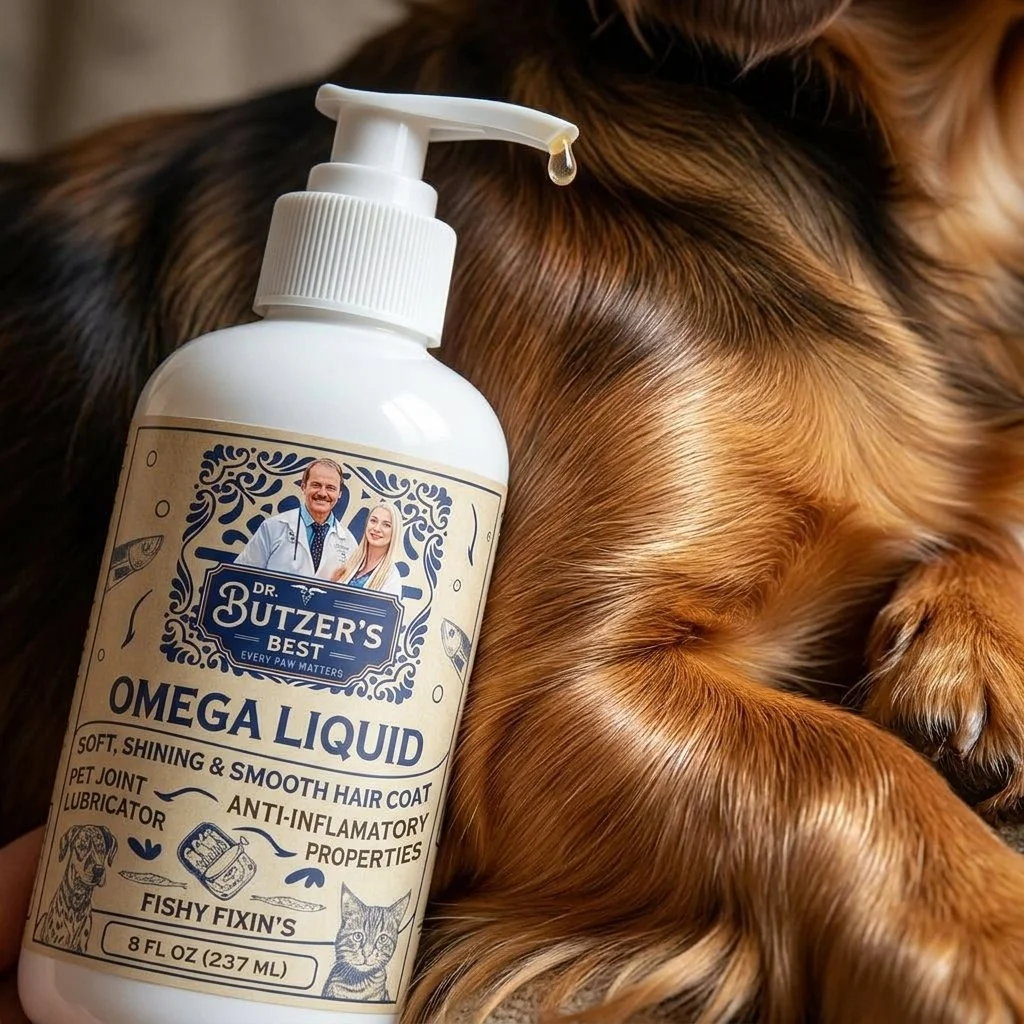
Dr. Butzer's Best offers omega oil products for pet owners interested in nutritional support. Visit the Dr. Butzer's Best shop to explore the available formulas and review their ingredients and directions.
Remember that an omega supplement is not a substitute for treating allergies, infections, parasites, or other medical conditions.
When Should You Call Your Veterinarian?
Schedule an examination if your dog's coat becomes persistently dull or if you notice significant itching, redness, sores, hair loss, or an unusual odor. Seek prompt care if the skin appears painful or a problem is worsening rapidly.
A Healthy Coat Starts With Consistent Care
Good nutrition, appropriate grooming, and attention to changes in your dog's skin all contribute to a thoughtful care routine. When a coat change persists, identifying the underlying cause is more useful than simply trying another product.
Explore Dr. Butzer's Best omega oil products and speak with your veterinarian about the best approach for your dog's individual needs.
This article is for educational purposes only and is not a substitute for professional veterinary advice.