
SIGNS FOR DOG OWNERS TO NOTICE FOR AGING
Watching a dog grow from a playful puppy into a trusted companion is one of the special experiences of pet ownership. As the years pass, however, you may notice changes in your dog's energy, movement, sleeping habits, or daily routine.
Understanding the aging process can help you recognize when your dog may benefit from additional care.
The important thing to remember is that getting older does not mean a dog should automatically become uncomfortable or inactive. Many changes associated with aging can be managed, and new symptoms should not simply be dismissed as part of getting old.
At What Age Is a Dog Considered a Senior?
There is no single age at which every dog becomes a senior. Size, breed, genetics, and individual health all influence the aging process.
Smaller dogs often live longer than giant breeds, while larger dogs may experience age-related changes earlier. Your veterinarian can help determine when your dog's preventive care should shift toward a senior-focused approach.
Rather than relying on age alone, consider your dog's overall health, activity, and changing needs.
7 Signs Your Dog May Be Aging
1. Changes in energy levels
An older dog may prefer shorter walks or longer periods of rest. However, a sudden drop in energy, unusual weakness, or reluctance to exercise can also signal a medical problem.
2. Stiffness or difficulty moving
Some older dogs take longer to stand after resting, hesitate before using stairs, or become less enthusiastic about jumping. These changes can indicate joint disease or other conditions that deserve veterinary assessment.
3. Changes in weight or appetite
Unexplained weight gain, weight loss, or reduced appetite should not automatically be attributed to aging. Dental disease, metabolic conditions, and other medical issues can affect eating and body weight.
4. Changes in sleep patterns
Older dogs may sleep more during the day or become restless at night. Persistent nighttime restlessness or a disrupted sleep pattern warrants discussion with your veterinarian.
5. Changes in vision or hearing
Some dogs become less responsive to familiar sounds or appear less confident in dim lighting. An examination can help determine whether these changes reflect age-related sensory changes or another condition.
6. Dental or grooming changes
Bad breath, difficulty chewing, a dull coat, or reduced self-grooming may be associated with dental or other health concerns.
7. Changes in behavior
Some senior dogs become more anxious, confused, withdrawn, or less tolerant of handling. Pain, sensory changes, and cognitive dysfunction are among the possible explanations. A veterinarian can help distinguish these from other causes.
How Can You Support an Aging Dog?
A thoughtful senior care routine may include several important elements.
Keep up with veterinary checkups. Your veterinarian can recommend an appropriate schedule for examinations, screening tests, and preventive care based on your dog's age and health.
Maintain a healthy body condition. Excess weight can place additional stress on joints and may worsen certain health problems.
Adjust exercise thoughtfully. Regular, appropriate activity can help maintain strength and mobility. The right amount depends on your dog's abilities and medical needs.
Make the home easier to navigate. Non-slip flooring, supportive bedding, and suitable ramps can help some older dogs move more comfortably.
Review nutrition. Dietary needs can change with age, activity, and medical conditions. Ask your veterinarian whether a dietary adjustment is appropriate.
What About Mobility Supplements for Senior Dogs?
Some pet owners explore joint-support supplements as part of a broader plan for an aging dog. The usefulness of these products varies by ingredient, formulation, and the individual animal.
Supplements should not replace an assessment of stiffness, limping, or reduced activity. A veterinarian can help identify the underlying cause and determine whether nutritional support belongs in the care plan.
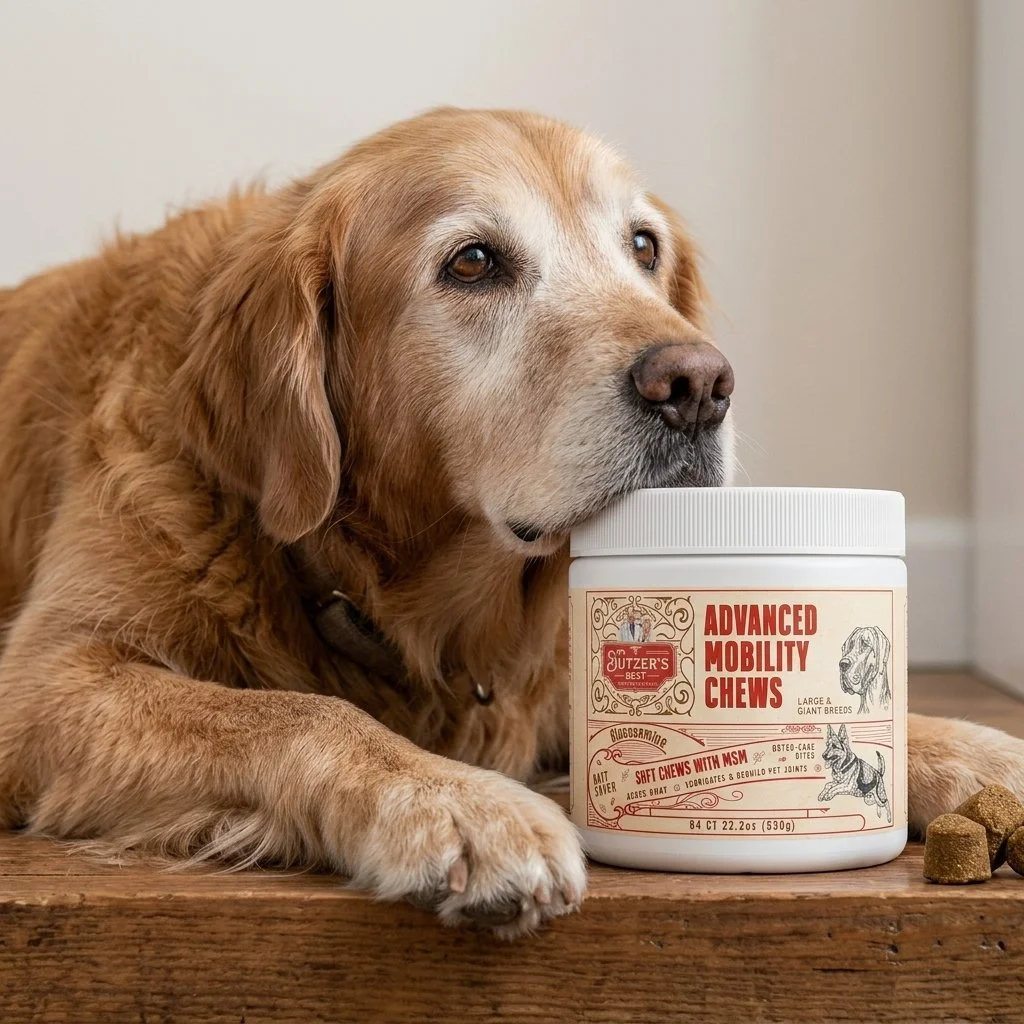
Dr. Butzer's Best offers Advanced Mobility Chews for pet owners interested in mobility-focused nutritional support. Visit the Advanced Mobility Chews product page to review the product information and directions.
When Should You Contact Your Veterinarian?
Schedule an appointment for new or persistent changes in movement, appetite, weight, sleep, behavior, or daily activity.
Sudden inability to stand, severe pain, difficulty breathing, or collapse requires urgent veterinary attention.
Helping Your Dog Enjoy the Years Ahead
Senior dogs may need adjustments to their routine, but aging should not mean overlooking changes in health or comfort.
With regular veterinary care, appropriate nutrition, and a home environment suited to your dog's needs, you can continue supporting your companion through every life stage.
Explore Dr. Butzer's Best Advanced Mobility Chews and speak with your veterinarian about the best approach to your senior dog's mobility and overall care.
This article is for educational purposes only and is not a substitute for veterinary diagnosis or treatment.