
What Are the Best Joint Supplements for Dogs? A Guide to Joint Health
Watching your dog grow older is a privilege, but you may notice changes in how they move, play, or approach their favorite activities. Perhaps your dog takes a little longer to get up after a nap, hesitates before jumping into the car, or seems less enthusiastic about a long walk.
Changes in mobility can have several causes, including age, injury, weight, and joint conditions. Understanding your dog's needs is an important first step toward supporting their long-term comfort and quality of life.
At Dr. Butzer's Best, we believe that informed pet parents make better decisions about their animals' everyday care. Here's what to know about canine joint health and the role supplements may play.
What affects joint health in dogs?
A dog's joints allow bones to move smoothly while supporting the body during everyday activities. Cartilage, joint fluid, muscles, ligaments, and surrounding tissues all contribute to normal movement.
Several factors can influence joint health, including:
Age: Wear and degenerative changes can become more common as dogs grow older.
Body weight: Excess weight places additional mechanical stress on joints.
Breed and size: Some breeds have a greater predisposition to orthopedic conditions.
Activity and previous injuries: Exercise habits, repetitive strain, and past injuries can affect mobility.
Joint changes aren't limited to senior dogs. Younger animals can also develop orthopedic problems, which is why persistent changes in movement deserve attention at any age.
Signs your dog may need a joint evaluation
Dogs don't always make discomfort obvious. Watch for changes such as:
Stiffness after resting.
Reluctance to climb stairs or jump.
Difficulty rising from a lying position.
Shorter walks or reduced interest in play.
Limping or an altered gait.
Irritability when a particular area is touched.
These signs don't establish a diagnosis. If your dog develops persistent stiffness, limping, or difficulty moving, schedule a veterinary examination. Sudden inability to bear weight or severe pain warrants prompt veterinary care.
What should you look for in a joint supplement for dogs?
Not all supplements contain the same ingredients, and evidence varies considerably between formulations. When comparing products, consider the following.
1. Clearly identified ingredients
Look for a complete ingredient list and transparent product information. Common ingredients in canine joint supplements include omega-3 fatty acids, glucosamine, chondroitin, and certain specialized compounds.
Research supporting these ingredients differs. For example, some veterinary guidance supports appropriately formulated omega-3 fatty acids as part of osteoarthritis management, while evidence for other popular ingredients is less conclusive. A supplement's inclusion of a familiar ingredient doesn't guarantee a particular result.
2. Appropriate guidance for your dog
Your dog's age, weight, medical history, diet, and medications all matter. Ask your veterinarian which ingredients and dosage are appropriate rather than choosing a supplement based on advertising alone.
3. A broader approach to mobility
Supplements should not replace a veterinary treatment plan. Maintaining a healthy body weight, following an appropriate exercise routine, and seeking treatment when needed are all important parts of joint care.
Your veterinarian may recommend additional options such as rehabilitation, prescription medication, or a therapeutic diet, depending on your dog's condition.
Can senior dogs benefit from joint supplements?
Some older dogs may benefit from nutritional support, but aging alone doesn't determine which supplement is appropriate. A senior dog that is slowing down may have osteoarthritis, muscle weakness, an orthopedic injury, or another medical problem.
Before starting a new product, discuss your dog's symptoms with your veterinarian. Early assessment can help identify the cause of mobility changes and determine whether supplements belong in the care plan.
Supporting your dog's mobility every day
In addition to discussing supplements with your veterinarian, consider these everyday habits:
Keep your dog at a healthy body weight.
Choose consistent, appropriate exercise rather than occasional strenuous activity.
Provide nonslip surfaces and comfortable resting areas.
Use ramps or steps when appropriate to reduce difficult jumps.
Monitor changes in gait, activity, and willingness to move.
Keep regular veterinary appointments, particularly as your dog ages.
Small, consistent habits can make it easier to notice changes and respond to your dog's needs.
Explore mobility support from Dr. Butzer's Best
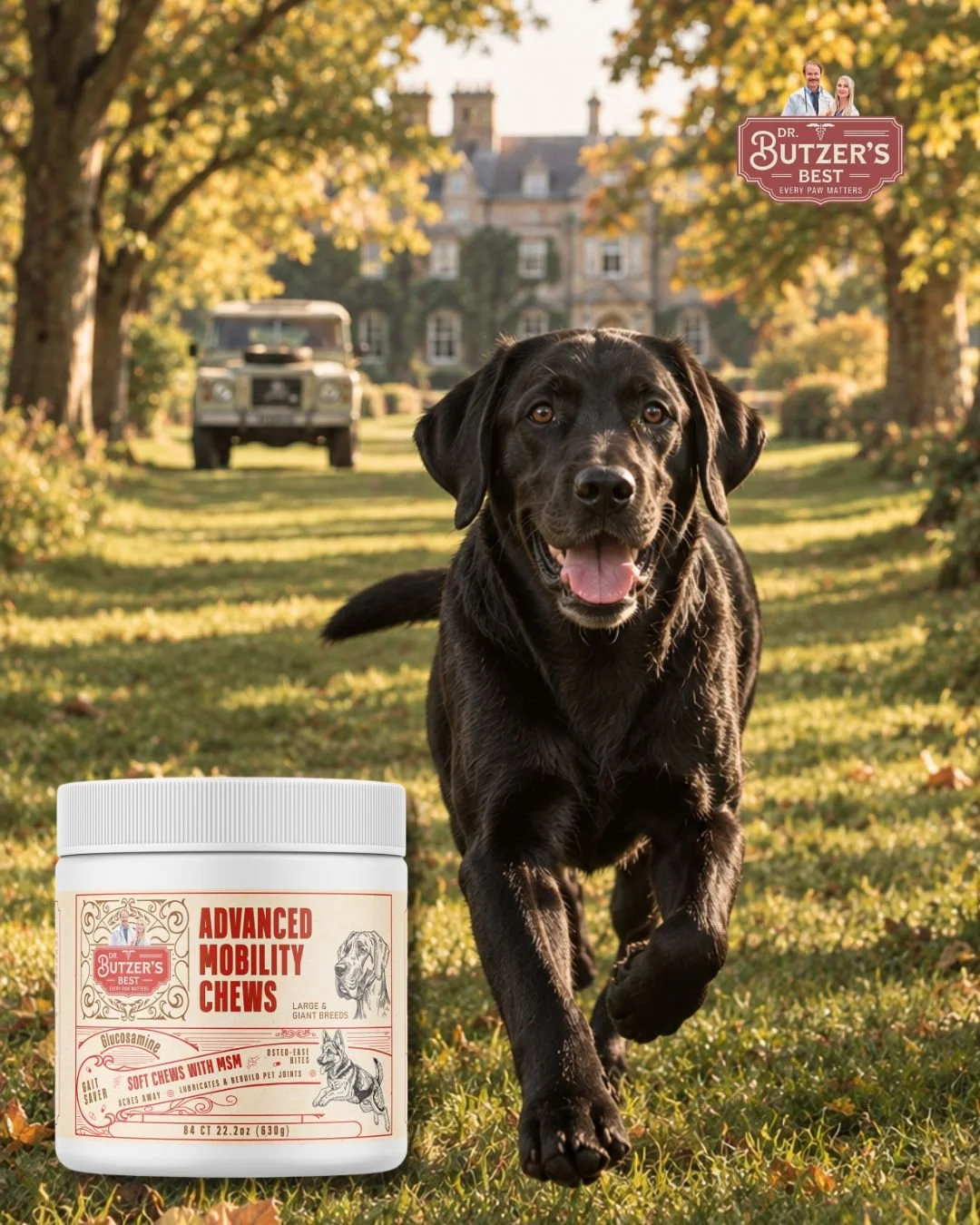
For pet parents exploring nutritional support, Advanced Mobility Chews from Dr. Butzer's Best are one product to learn more about.
Review the product label and directions, and speak with your veterinarian about whether the formula is appropriate for your dog. A supplement should complement—not replace—individualized veterinary care.
Frequently asked questions
At what age should I consider a joint supplement for my dog?
There is no universal starting age. Breed, size, health history, activity, and veterinary findings all matter. Ask your veterinarian whether a supplement is appropriate for your individual dog.
Do joint supplements work immediately?
Results, if any, depend on the ingredients, formulation, and individual dog. Supplements are not a substitute for prompt assessment of pain or sudden mobility changes.
Can I give my dog a human joint supplement?
Don't give your dog a human supplement without veterinary approval. Products may contain inappropriate ingredients, different concentrations, or additives that are unsafe for pets.
Are supplements enough to manage arthritis?
Not necessarily. Osteoarthritis management may involve weight control, controlled exercise, rehabilitation, medication, nutrition, and other veterinary recommendations.
A thoughtful approach to lifelong mobility
Your dog depends on you to recognize when something changes. By monitoring movement, maintaining healthy daily habits, and working with your veterinarian, you can make more informed decisions about their care.
Explore Dr. Butzer's Best to learn more about our pet-care products.