
Dog Probiotics Explained: What Do They Do and When Might Dogs Need Them?
A healthy digestive system is an important part of your dog's overall well-being. From changes in routine to dietary transitions, dogs encounter plenty of situations that can affect their digestion.
You may have heard that probiotics can support gut health, but what are they, how do they work, and are they right for your dog?
At Dr. Butzer's Best, we believe pet parents should understand the products they give their animals. Here's a practical guide to probiotics and how to approach digestive support.
What are probiotics for dogs?
Probiotics are live microorganisms that, when administered in adequate amounts, can provide a health benefit to the host. In dogs, certain probiotic strains may help support a balanced intestinal environment and normal digestive function.
The effects depend on the specific microorganism, strain, amount, and purpose of use. Not every probiotic product has the same formulation or supporting evidence.
Your dog's digestive system contains a complex community of microorganisms. This community interacts with food, the intestinal environment, and the body's normal functions. Supporting digestive health means considering the whole picture—not simply adding a supplement.
What are the potential benefits of dog probiotics?
Depending on the strain and formulation, probiotics may help support normal digestive function. Veterinarians sometimes recommend specific products in situations involving changes in stool quality or other digestive concerns.
Potential uses may include:
Supporting normal intestinal function.
Providing digestive support during certain dietary or routine changes.
Helping maintain normal stool quality in some dogs.
Complementing a veterinarian-directed digestive care plan.
It's important to distinguish general digestive support from treatment. A probiotic is not a guaranteed solution for diarrhea, vomiting, food intolerance, or a diagnosed gastrointestinal disorder.
When might a dog need a probiotic?
There isn't one probiotic routine that fits every dog. Some healthy dogs may not need a supplement at all, while others may benefit from a product recommended for a particular purpose.
You might discuss probiotics with your veterinarian if:
Your dog is transitioning to a new diet.
Your dog has recurring changes in stool quality.
Your veterinarian recommends digestive support during a particular situation.
You want to evaluate whether a supplement fits into your dog's overall wellness plan.
If your dog has ongoing digestive symptoms, seek veterinary guidance before trying to manage the problem with supplements alone.
Repeated diarrhea, vomiting, blood in the stool, marked lethargy, abdominal discomfort, or signs of dehydration should not be ignored. Puppies and dogs with other medical conditions may need particularly prompt attention.
Probiotics vs. digestive enzymes: What's the difference?
These terms are sometimes used together, but they describe different things.
Probiotics are live microorganisms that can provide a health benefit when given in adequate amounts.
Digestive enzymes help break down components of food into smaller substances that can be absorbed. Different enzymes act on different nutrients, such as proteins, fats, and carbohydrates.
Some pet supplements contain probiotics, enzymes, or both. Check the label carefully to understand what a product actually contains and what it is intended to support.
How do you choose a probiotic for your dog?
Before purchasing a supplement, consider these questions.
Is the product intended for dogs?
Choose a product formulated for the intended animal and life stage. Don't assume that a human probiotic or a product made for another species is interchangeable with a canine supplement.
Are the microorganisms identified?
Look for information about the microorganisms included, the amount provided, and the product's intended use. Different strains can have different effects, so a higher number alone doesn't necessarily mean a product is better.
Are the directions clear?
Follow the product label and ask your veterinarian whether the recommended amount is appropriate for your dog's weight, age, and health status.
Is the supplement appropriate for your dog's condition?
Dogs with significant illness or compromised immune function may need additional precautions. Your veterinarian can help assess whether a probiotic is suitable and whether testing or other treatment is necessary.
Can dogs take probiotics every day?
Some canine probiotic products are designed for regular use, but daily supplementation isn't automatically necessary for every dog. The appropriate schedule depends on the product, the dog's needs, and veterinary advice.
If your dog is already receiving medication or another supplement, ask your veterinarian before introducing something new. Keep track of any changes in appetite, stool, or behavior so you can discuss them at your dog's next appointment.
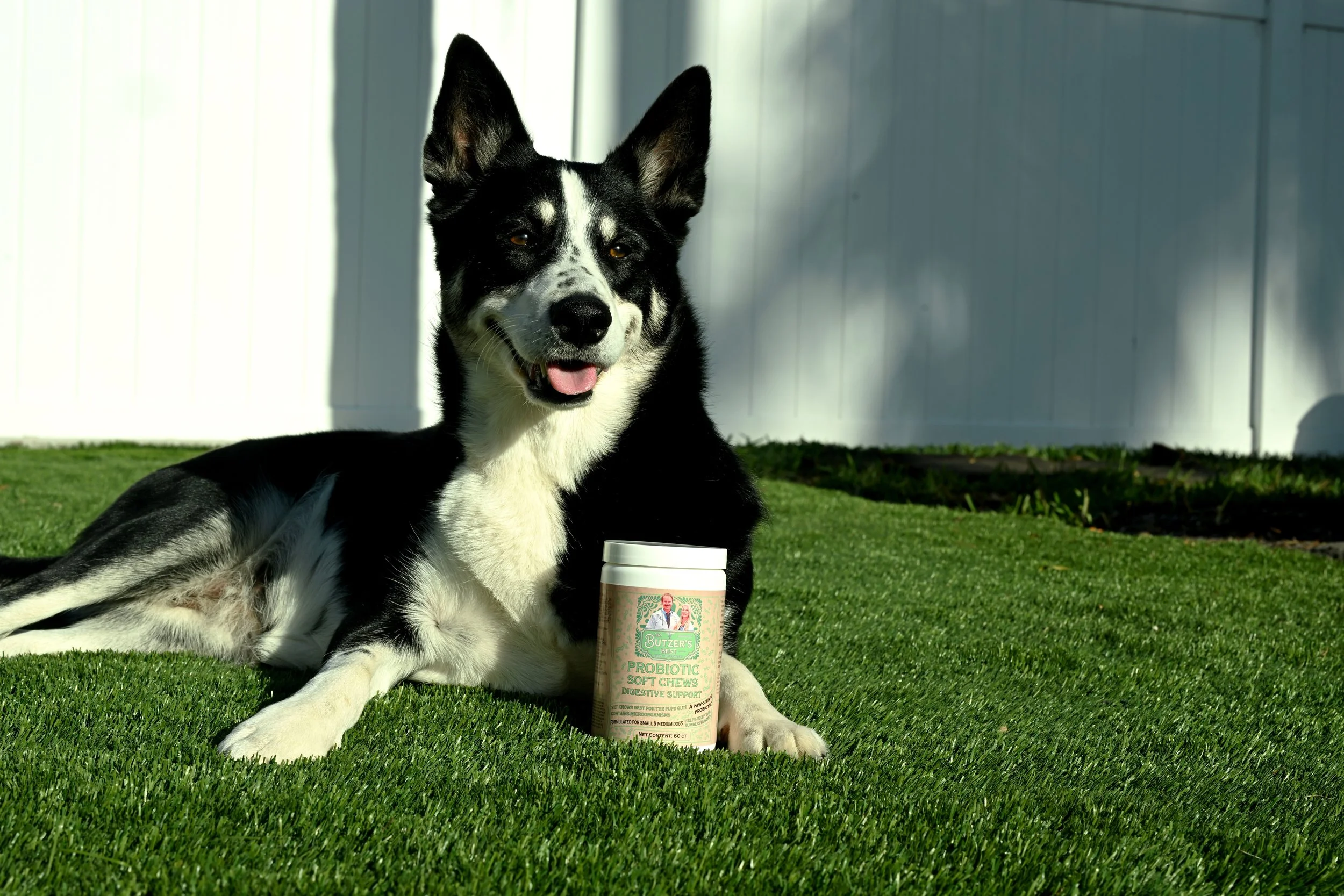
Meet Dr. Butzer's Best Probiotic Soft Chews
Dr. Butzer's Best Probiotic Soft Chews are formulated for dogs over six weeks of age to support normal digestive health and help maintain a healthy intestinal tract.
The formula contains Bacillus subtilis and Bacillus coagulans, along with digestive enzymes. Review the product page for the full ingredient list and feeding directions.
As with any supplement, use it as directed and consult your veterinarian if your dog has ongoing symptoms or a medical condition that could affect supplement use.
Frequently asked questions
Can puppies take probiotics?
Some products are formulated for young dogs, but age limits vary. Dr. Butzer's Best Probiotic Soft Chews are labeled for dogs over six weeks old. Check the current label and ask your veterinarian if you're unsure.
Will probiotics stop my dog's diarrhea?
Not necessarily. Diarrhea can result from dietary changes, parasites, infections, toxins, and other conditions. A veterinarian can help determine the cause and whether a specific probiotic is appropriate.
Are probiotics and prebiotics the same?
No. Probiotics are live microorganisms. Prebiotics are substances, often certain fibers, that can be used by microorganisms in the digestive tract.
Should I change my dog's food when starting a probiotic?
Don't make multiple dietary changes at once unless your veterinarian recommends it. Keeping changes gradual can make it easier to monitor your dog's response.
Make digestive health part of your dog's wellness routine
Understanding your dog's digestive needs can help you make more informed decisions about nutrition and supplements. Choose products carefully, follow directions, and involve your veterinarian when symptoms persist.
Learn more about Dr. Butzer's Best Probiotic Soft Chews and explore our complete product collection.