
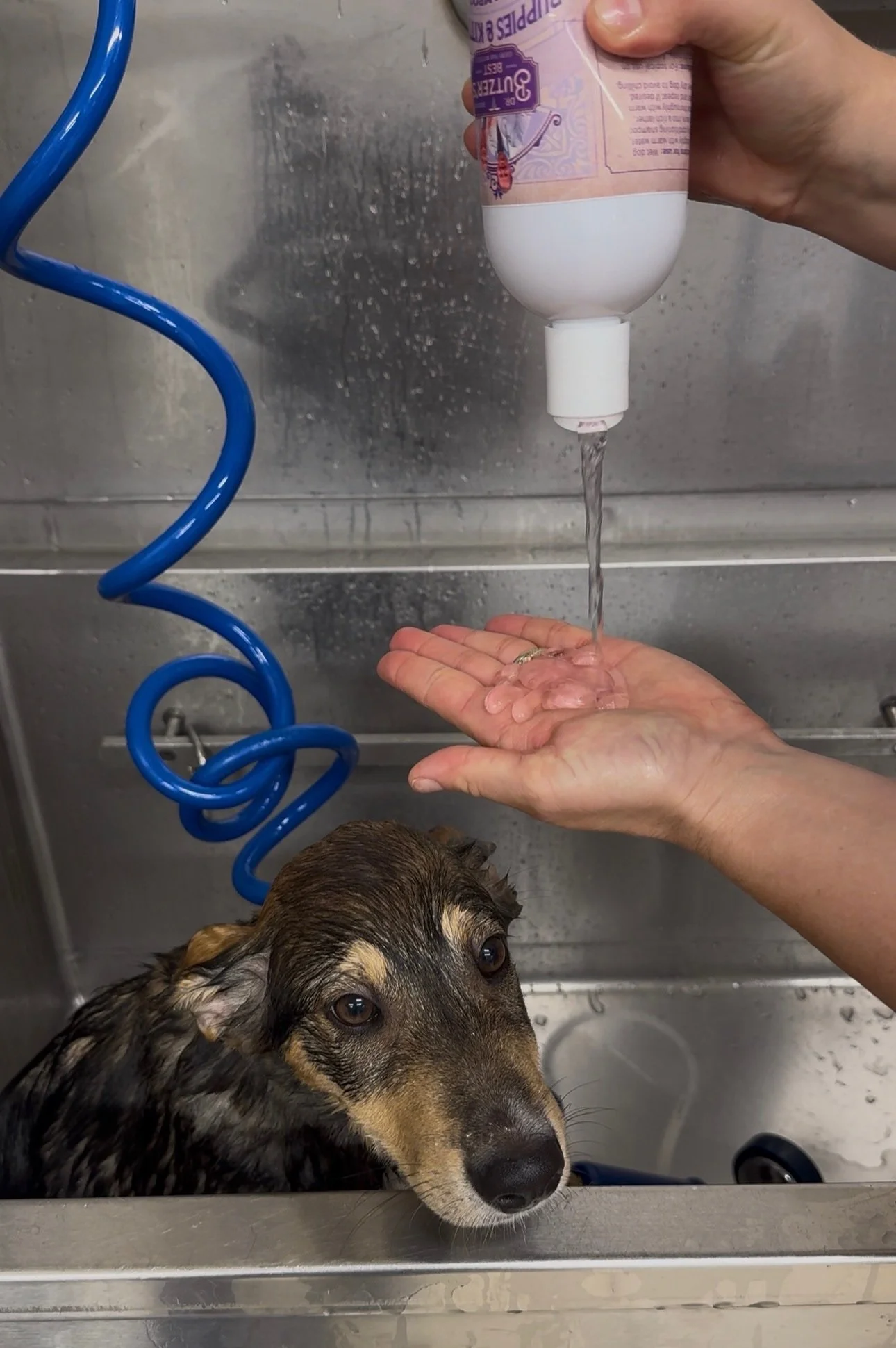
A Practical Guide to how often you should bathe your dog
Bath time is an important part of caring for your dog, but how often should you actually do it?
Some dogs seem to collect dirt on every walk, while others stay relatively clean between grooming appointments. The ideal bathing schedule depends on several factors, including coat type, activity level, skin health, and the products you use.
There is no single schedule that works for every dog. The goal is to keep your pet clean without unnecessarily irritating the skin.
How Often Do Most Dogs Need a Bath?
Many healthy dogs do well with baths every several weeks, but some need more frequent cleaning while others need less. Dogs with specific skin conditions may require a veterinarian-directed schedule that differs from ordinary grooming recommendations.
Rather than following a rigid calendar, consider your dog's individual needs. Visible dirt, an unpleasant odor, and the condition of the coat can help guide routine grooming, but persistent odor or skin changes may indicate a medical issue.
Does Coat Type Affect Bathing Frequency?
Short-coated dogs: Dogs with short, smooth coats may need less intensive grooming, although their bathing needs still depend on activity and skin condition.
Long-haired dogs: Longer coats can collect dirt and develop tangles. Regular brushing helps remove loose hair and debris between baths.
Thick or double-coated dogs: These dogs may benefit from regular brushing to remove loose undercoat. Bathing and drying should be thorough to avoid leaving moisture trapped close to the skin.
Hairless or skin-sensitive dogs: These dogs may need individualized skin care. Ask your veterinarian how frequently to bathe and which products to use.
What If Your Dog Loves the Outdoors?
Dogs that swim, roll in grass, play in muddy areas, or accompany their owners on outdoor adventures may need more frequent cleaning.
You do not necessarily need a full shampoo bath after every outing. Depending on what your dog encounters, brushing, wiping the paws, or rinsing away ordinary dirt may be sufficient.
If your dog encounters potentially harmful substances, contact your veterinarian for appropriate cleaning and safety guidance.
Can You Bathe Your Dog Too Often?
Frequent bathing is not automatically harmful, but the wrong products or routine can dry or irritate some dogs' skin.
Watch for increased flaking, redness, itching, or changes in coat texture after bathing. If these occur, reconsider the shampoo and bathing routine with your veterinarian.
Use products specifically formulated for dogs rather than human shampoo. Human skin and canine skin differ, and products intended for people may not be appropriate for your pet.
How to Bathe Your Dog Safely
Follow these steps for a more comfortable bath:
Brush before bathing. Remove loose hair and work through tangles when appropriate for the coat.
Use lukewarm water. Avoid water that is excessively hot or cold.
Choose a suitable dog shampoo. Consider coat type, age, and any skin concerns.
Follow the label. Apply the product as directed and avoid contact with the eyes unless the product is specifically intended for that use.
Rinse thoroughly. Shampoo residue may irritate the skin.
Dry carefully. Use towels and, if needed, a pet-safe dryer on a low or cool setting. Pay attention to thick coats and skin folds.
If your dog has been prescribed a medicated shampoo, follow the veterinarian's instructions for application time and frequency. Do not assume every shampoo should be used in the same way.
What Shampoo Should You Choose?
For routine grooming, select a dog-specific shampoo appropriate for your pet's coat and age. If your dog has persistent itching, redness, odor, or recurring skin infections, a veterinarian can help determine whether a medicated product is needed.
Dr. Butzer's Best offers pet grooming and medicated shampoo products. Visit the Dr. Butzer's Best shop to review the available options and their intended uses.
Medicated shampoos should be selected and used according to the product label and veterinary guidance, particularly when treating a diagnosed skin condition.
When Is a Bath Not Enough?
A bath will not resolve every skin problem. Recurrent itching, hair loss, sores, greasy skin, or persistent odor may require veterinary examination. Bathing inflamed or damaged skin with an unsuitable product can make discomfort worse.
Finding the Right Routine for Your Dog
A good bathing routine balances cleanliness with skin health. By choosing suitable products, rinsing thoroughly, and paying attention to your dog's response, you can make grooming a comfortable part of everyday care.
Explore Dr. Butzer's Best grooming products to find options for your dog's routine.
This article is for educational purposes only. Follow your veterinarian's instructions for diagnosed skin conditions.