
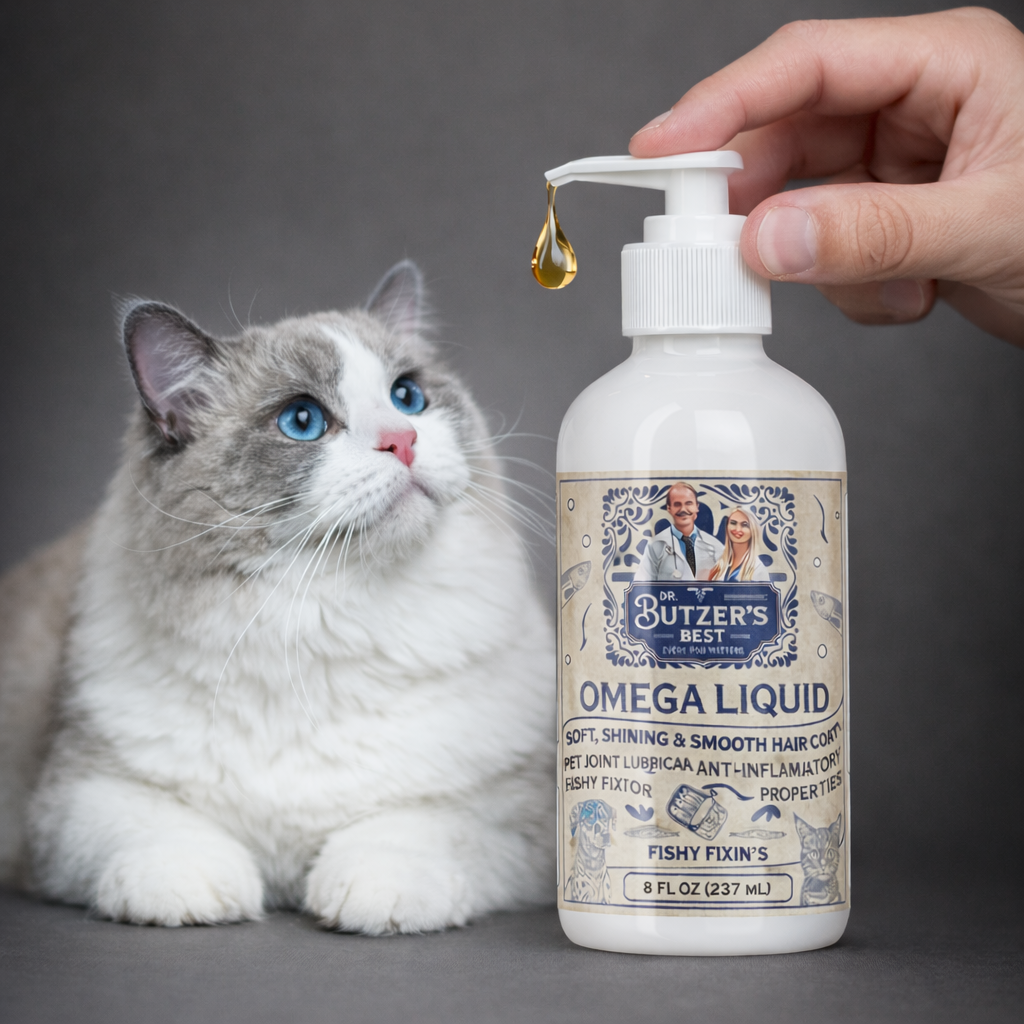
SUPPORTING YOUR CAT’S COAT AND SKIN HEALTH
Cats are well known for their grooming habits. Many spend a considerable part of their day cleaning their fur, keeping themselves tidy, and maintaining their coats.
But what happens when your cat's fur begins to look dull, flaky, greasy, or unusually thin?
A cat's skin and coat are influenced by nutrition, grooming, age, environment, and overall health. Learning what supports normal skin function can help you establish a sensible care routine and recognize changes that may require veterinary attention.
1. Provide Complete and Balanced Nutrition
Healthy skin and fur depend on appropriate nutrition. Cats require a diet formulated to meet their specific nutritional needs, including adequate protein, essential fatty acids, vitamins, and minerals.
Choose a complete and balanced cat food appropriate for your cat's life stage and health status.
If your cat's coat changes despite eating well, do not assume that it needs additional vitamins or oils. Coat changes can have many causes, and supplementation should be based on the individual cat's needs.
2. Understand the Role of Essential Fatty Acids
Essential fatty acids contribute to normal skin function and help maintain the skin's protective barrier.
Omega fatty acids are often discussed in connection with skin and coat health, but the appropriate amount depends on the cat's diet, the product's formulation, and the reason for supplementation.
Not every cat needs an additional oil supplement. Ask your veterinarian whether one is appropriate, particularly if your cat has an existing health condition or is eating a veterinary-prescribed diet.
3. Encourage Regular Grooming
Most healthy cats groom themselves effectively, but some need additional assistance.
Long-haired cats may benefit from regular brushing to help prevent tangles and mats. Older cats, overweight cats, and cats with limited mobility may find grooming more difficult.
Brush gently and choose tools appropriate for your cat's coat. Never pull forcefully at mats, as this can hurt the skin.
A sudden decline in grooming habits may indicate discomfort or illness and deserves attention.
4. Maintain Good Hydration
Fresh water should always be available. Some cats prefer drinking from fountains, while others enjoy having several water bowls around the home.
Wet food can also contribute to overall water intake, depending on the diet.
Hydration is important for general health, but increasing water intake alone will not resolve every skin or coat concern.
5. Choose Grooming Products Carefully
Most healthy cats do not require frequent baths because they groom themselves. However, bathing may be appropriate in certain circumstances, including when recommended for a specific medical condition.
If bathing is necessary, use a product formulated for cats and follow the directions carefully. Never assume that a dog shampoo is safe for a cat. Some ingredients used in products for other species may be harmful to cats.
Medicated shampoos should be used under veterinary guidance, particularly when your cat has redness, sores, itching, or a diagnosed skin condition.
6. Watch for Signs of Skin Problems
Contact your veterinarian if you notice:
Persistent scratching or excessive licking.
Bald patches or unusual hair loss.
Redness, scabs, or sores.
Flaking or greasy fur.
A sudden change in coat texture.
Unusual odors or recurring skin irritation.
Possible causes include parasites, allergies, infections, pain, and other medical conditions. Cats can sometimes hide discomfort, so subtle changes in grooming or behavior matter.
Avoid applying essential oils, human skin products, or unapproved topical treatments to your cat.
7. Consider Age and Lifestyle
A kitten, an active adult cat, and a senior cat may have different grooming needs.
Older cats may become less flexible or develop conditions that make grooming difficult. Cats with long coats may require more assistance than short-haired cats. Cats that go outdoors may also encounter different environmental challenges.
If your cat suddenly stops grooming or develops a persistent coat problem, a veterinary examination is more useful than assuming the change is normal aging.
Can Supplements Support a Cat's Skin and Coat?
Certain nutritional supplements may be appropriate for selected cats, depending on their diet and individual needs. However, a supplement should not be used as a substitute for diagnosing skin disease, parasites, or nutritional problems.
Dr. Butzer's Best offers pet wellness products for owners to explore. Visit the Dr. Butzer's Best shop to review the available products, species information, ingredients, and directions.
Before giving a cat a supplement, confirm that the specific product is intended for cats and discuss its suitability with your veterinarian. Products formulated for dogs should not automatically be used in cats.
A Healthy Coat Begins With Thoughtful Care
A consistent routine built around balanced nutrition, appropriate grooming, fresh water, and veterinary care can help support your cat's overall well-being.
Pay attention to changes in coat quality and grooming behavior, especially when they develop suddenly or persist over time.
Explore Dr. Butzer's Best pet wellness products and consult your veterinarian about the best approach to supporting your cat's skin and coat.
This article is for educational purposes only and is not a substitute for veterinary advice, diagnosis, or treatment.